

Blogs
Understanding Emotional Dynamics between a Narcissist Mother and Her Son

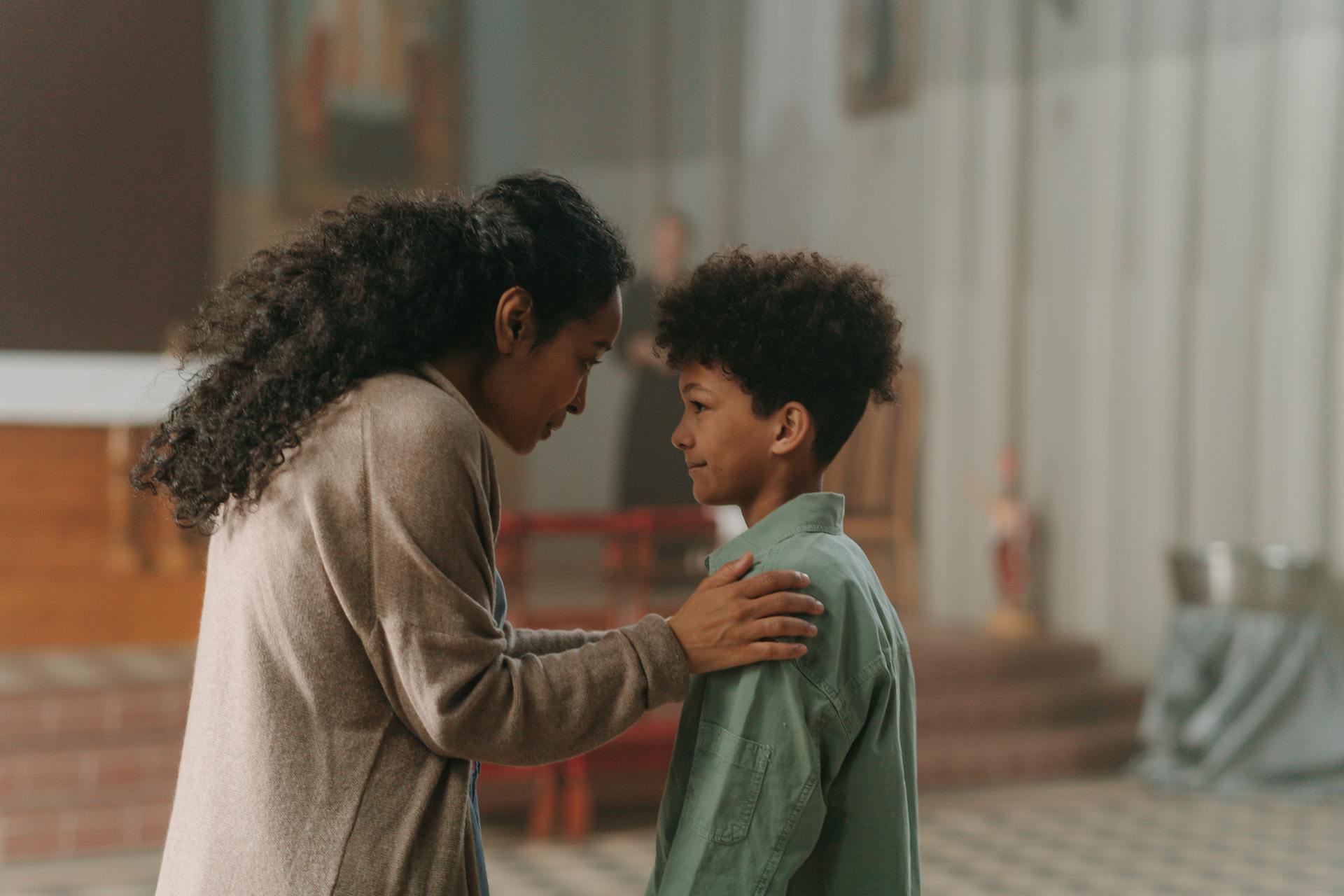
The relationship between a narcissistic son and his mother can be emotionally complex, often shaped by childhood experiences, family expectations, and psychological development. These relationships may appear close on the surface but can contain underlying patterns of control, validation seeking, and emotional dependence.
Understanding narcissistic son relationships with mother requires looking beyond behavior alone and exploring the emotional environment that shaped personality development.
Narcissistic behavior is not always caused by one factor. Instead, it often emerges from a combination of parenting style, emotional reinforcement patterns, and individual temperament.
Understanding Narcissism in Sons
Narcissism in sons may manifest as a strong need for admiration, difficulty accepting criticism, and a tendency to prioritize personal needs over others.
Psychologists describe narcissism as a personality pattern associated with self-importance, validation dependence, and limited emotional empathy. The concept was influenced by early psychoanalytic research associated with Sigmund Freud, who explored how childhood experiences shape personality formation.
In some cases, narcissistic traits develop as a psychological defense mechanism. A child who experienced excessive praise without emotional boundaries may develop an inflated self-image. Conversely, children who experienced emotional neglect may build narcissistic behavior as protection against feelings of inadequacy.
Mother-Son Emotional Dynamics
The mother-son relationship plays a significant role in personality development. When emotional boundaries are unclear, or when parenting oscillates between overprotection and emotional control, it can influence the son’s future relationship patterns.
Some mothers may unintentionally reinforce narcissistic behavior by consistently prioritizing the child’s needs above their own while failing to teach emotional accountability.
In such environments, the child may grow up believing that admiration and special treatment are natural expectations rather than social privileges.
Signs of Narcissistic Behavior in Son-Mother Relationships
Several behavioral patterns may appear in narcissistic son relationships with mother.
Emotional Dependence for Validation
The son may require constant reassurance about success, appearance, or achievements. The mother’s approval may become a primary source of emotional stability.
Control through Emotional Pressure
Some narcissistic sons may use guilt, emotional withdrawal, or confrontation to influence their mother’s behavior or decisions.
Lack of Empathy toward Mother’s Emotional Needs
The relationship may be one-sided, where the son’s emotional needs dominate communication while the mother’s feelings are ignored.
Sensitivity to Criticism
Even constructive feedback from the mother may trigger defensive responses or anger.
Expectation of Special Treatment
The son may believe that family rules or responsibilities do not apply to him in the same way as others.
Causes of Narcissistic Traits in Sons
The development of narcissistic behavior in sons is influenced by multiple environmental and psychological factors.
Overindulgent parenting is one possible contributor. When a child is constantly praised without learning accountability, they may develop unrealistic self-perception.
Emotional neglect can also contribute. When children feel unloved or invisible, they may build narcissistic defenses to compensate for inner insecurity.
Family cultural expectations also play a role. In some social contexts, sons may be given more privilege, which can reinforce entitlement-based behavior.
It is important to avoid oversimplifying causation. Personality development is complex and cannot be attributed to a single parenting action.
Emotional Impact on Mothers
Mothering a narcissistic son can be emotionally exhausting. Many mothers experience guilt, confusion, or helplessness when trying to maintain relationship harmony.
Some mothers may feel pressured to continue supporting behavior that is emotionally harmful because of cultural or family expectations.
Constant emotional negotiation can lead to stress, anxiety, and loss of personal identity.
It is essential for mothers in such relationships to recognize that love does not require emotional self-sacrifice.
Boundary Setting in Mother-Son Relationships
Healthy boundaries are critical in managing narcissistic behavior.
Boundaries communicate respect and personal limits. They are not acts of rejection but forms of emotional protection.
Mothers may need to define acceptable communication behavior, personal space, and decision-making independence.
Consistency is important. If boundaries are repeatedly broken without consequence, behavioral patterns are likely to continue.
Healing and Relationship Management
Improving narcissistic son relationships with mother requires willingness from both sides.
Therapy can be helpful if the son recognizes problematic behavior and wants change. Family counselling may help improve communication and emotional understanding.
However, it is also important to acknowledge that not all relationships can be fully repaired.
Sometimes emotional distance may be necessary to protect mental health.
Breaking Generational Patterns
Many narcissistic relationship patterns are rooted in generational emotional conditioning.
Parents who experienced emotional deprivation may overcompensate by overindulging their children. This cycle can unintentionally produce personality patterns that are difficult to manage later.
Awareness is the first step toward breaking these cycles.
Teaching emotional responsibility, empathy, and respect during childhood can help create healthier future relationships.
The Role of Self-Awareness
Self-awareness is essential for sons who recognize narcissistic tendencies in themselves.
Acknowledging emotional behavior patterns is not a sign of weakness but a step toward personal growth.
Learning to listen to others’ emotional experiences, accepting constructive criticism, and practicing empathy can improve relationship quality.
When Professional Help Is Needed
If narcissistic behavior causes significant relationship dysfunction, seeking professional psychological support may be beneficial.
Early intervention is often more effective than waiting until relationship damage becomes severe.
Final Thoughts
Narcissistic son relationships with mother are emotionally layered and cannot be simplified into blame or guilt narratives. These relationships are shaped by developmental history, emotional communication patterns, and psychological defense mechanisms.
Healing requires patience, honesty, and willingness to change. Both mothers and sons can benefit from understanding emotional boundaries, practicing empathy, and accepting that love does not require emotional dominance.
Healthy relationships are built on respect, emotional safety, and mutual understanding. While transformation may take time, awareness and commitment can create a more balanced and meaningful family connection.